Shou Sugi Ban

The Traditional Japanese Art of Charred Cedar

  • Home ホームページ
  • Overview 概要
    • History
    • People
    • Architecture
    • Design
  • News ニュース
  • Techniques 技術
    • Shou Sugi Ban 101
    • DIY Projects
  • Video ビデオ
  • Shop 日本 店
  • Home ホームページ
  • Overview 概要
    • History
    • People
    • Architecture
    • Design
  • News ニュース
  • Techniques 技術
    • Shou Sugi Ban 101
    • DIY Projects
  • Video ビデオ
  • Shop 日本 店

Overview

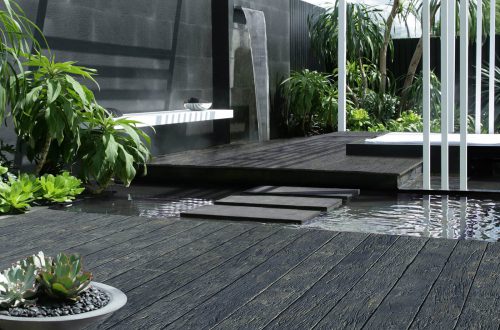
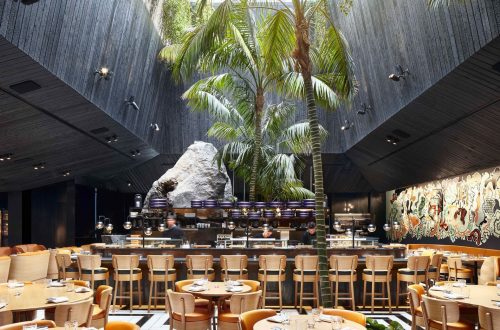
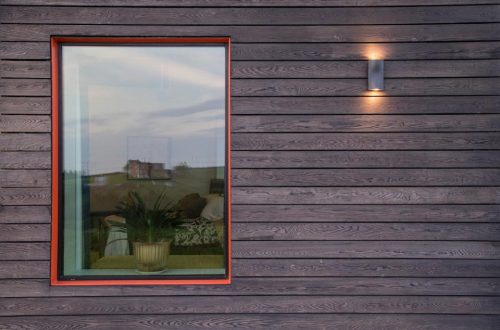
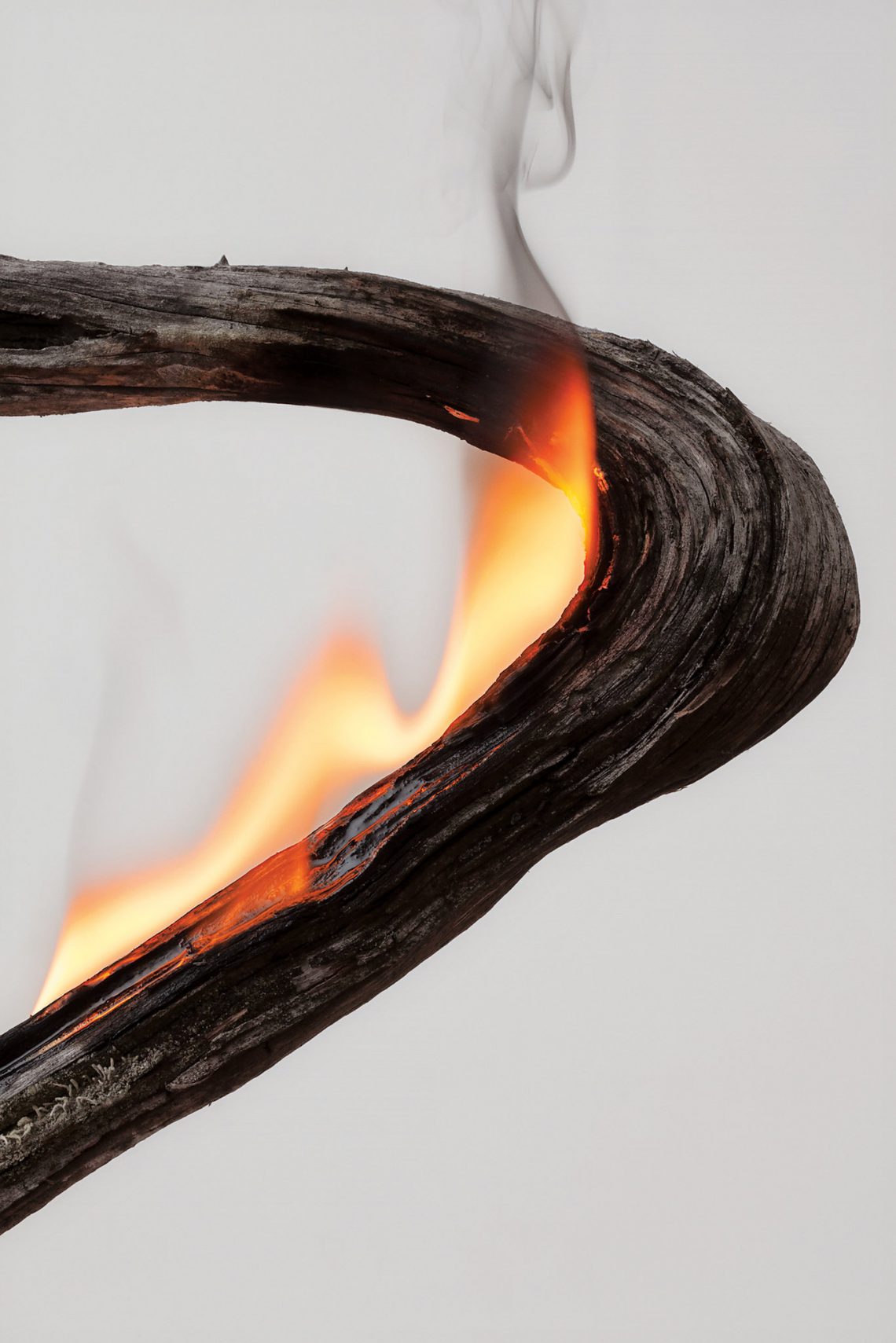
Shou Sugi Ban 焼杉板 (or Yakisugi) is an ancient Japanese exterior siding technique that preserves wood by charring it with fire. Traditionally, sugi 杉 (Cryptomeria japonica L.f.), also called Japanese red-cedar, was used. The process involves charring the wood, cooling it, cleaning it, and finishing it with a natural oil.

Today Shou Sugi Ban is an environmentally friendly way to preserve timber and, paradoxically, make it fire-resistant. Chemical preservatives, paints and retardants are therefore unnecessary. In addition to exterior uses, the popular technique is now found in interior rooms, furniture, and artwork.

Learn more…

Architecture, Design, News, Showcase

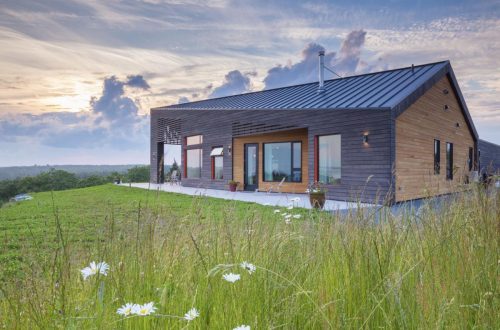
From Farm Sheds to New Minimalism in the Cotswolds

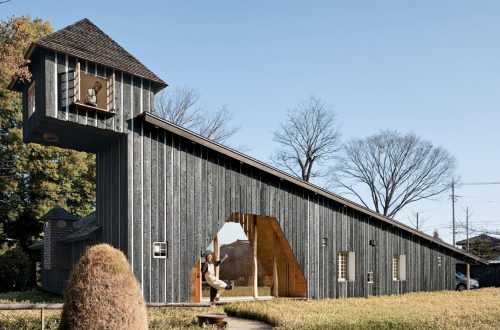
Bureau de Change converted two traditional British chicken sheds on the Cotswolds Hills into the Long House. Katerina Dionysopoulou and Billy Mavropoulos, founders of Bureau de Change, were appointed by…

read more
March 21, 2020
Architecture, Design, DIY, News, Showcase, Techniques

PaperWall replicates Shou Sugi Ban for WallPaper

PaperWall, the newest addition to the Elton Group collection, is a wood fibre based paper surface that replicates the patterning, grain and texture of timber and other materials with impressive realism.…

read more
June 17, 2021
Architecture, Design, News, Showcase

Architectural Digest: Top Design Trends of 2020

Experts across the design industry predict what major trends we’ll be seeing in the year ahead As we prepare to enter not only a new year but a fresh decade,…

read more
January 13, 2020
  • Architecture,  Design,  News,  Techniques

    Architectural Digest on Shou Sugi Ban Benefits

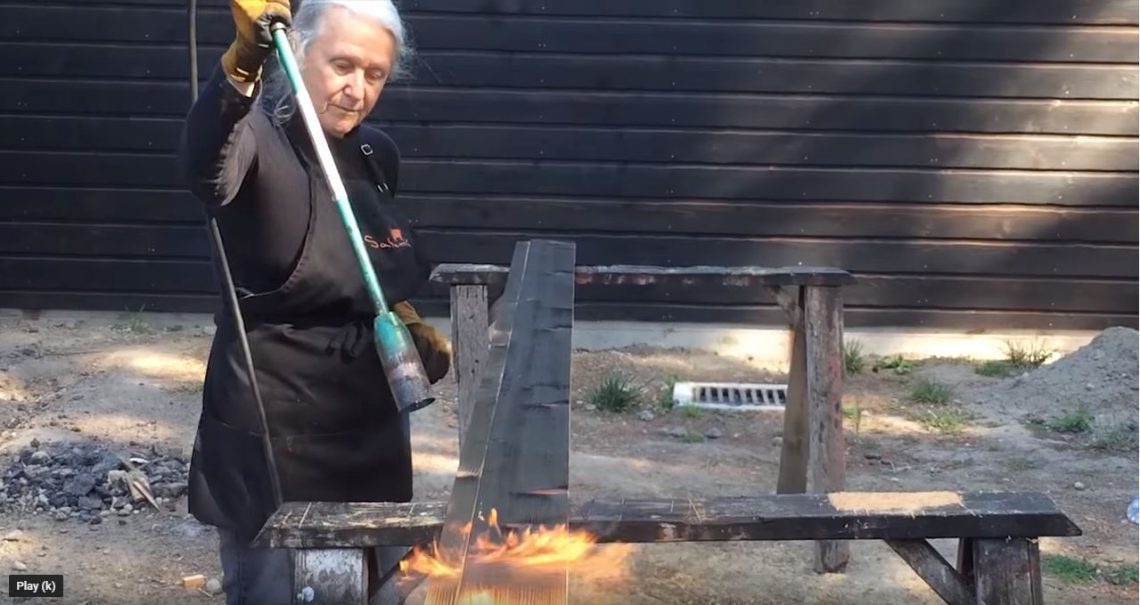
    Use Shou Sugi Ban to Waterproof Wood Furniture Shou sugi ban (焼杉板) is the art of preserving and finishing wood using fire. While shou sugi ban (焼杉板) originated in Japan in the 18th century primarily as way to treat cedar siding to make it weatherproof, the technique—which involves charring a wood surface to render it a deep charcoal-black—has caught on recently as a treatment for contemporary exteriors and indoor furnishings alike. You can even find variations elevated to fine art, as in the work of the artist Maarten Baas. The gravitas imparted by the process and finished result (also called yakisugi) are undeniable, a blackening of the wood that reveals clean, distinct lines and an inherent…

    read more

    You May Also Like

    Inside a Modern Lake Home

    April 20, 2020

    PaperWall replicates Shou Sugi Ban for WallPaper

    June 17, 2021

    Shou Sugi Ban Fowl Play

    July 20, 2020
  • Architecture,  Design,  News,  People

    Shou Sugi Ban Retreat in Texas Hill Country

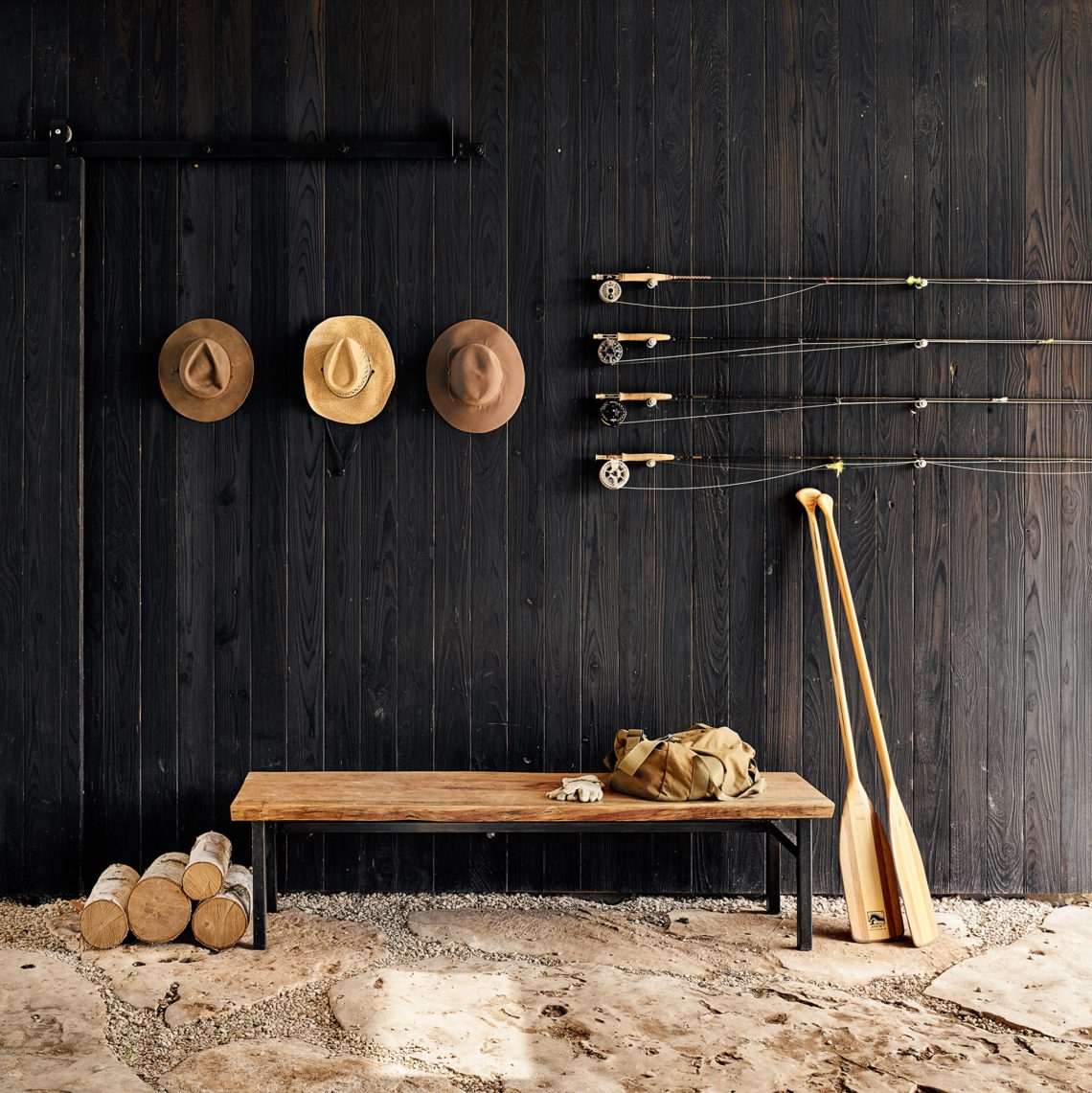
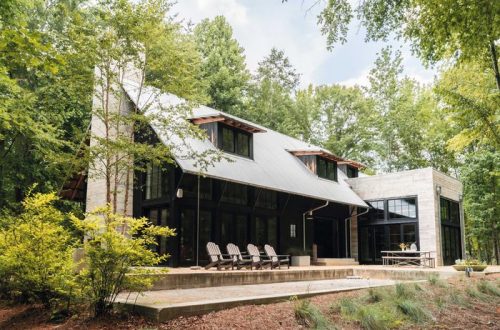
    Michael Hsu Office of Architecture has used shou sugi ban charred wood, local stone and large stretches of glass to form this country home for an Austin, TX family. The Llano Retreat is situated along the Llano River in central Texas, about 75 miles northwest of the city. For years, the property had served as a primitive campsite for fly-fishing outings and weekend getaways. The family camped under a pole-structure with a metal roof. When the clients ultimately decided to build a more permanent retreat, they charged Austin-based Michael Hsu Office of Architecture with creating a building that embraced the natural terrain. “After years of getting to know the ranch land, the family chose a site…

    read more

    You May Also Like

    Fujimori’s Shou Sugi Ban Technique

    May 2, 2017

    Shou Sugi Ban Atelier in an Orchard

    August 12, 2021

    East meets West in Modern Alabama Farmhouse

    February 10, 2020
  • Architecture,  Design,  News,  People,  Techniques

    NY Times on Shou Sugi Ban: Black Magic

    The Latest Design Trend: Black and Burned Wood… An ancient Japanese technique protects cedar by charring it a witchy charcoal. It’s having a renaissance in the West (for less practical reasons). On the windswept southern side of Martha’s Vineyard, at the end of a rural road that emerges from a dark copse of oak trees, sit two austere, inky-black farmhouse-style buildings — a studio and a private residence — that compose Chilmark House. Designed by the New Haven, Conn., firm Gray Organschi Architecture with Aaron Schiller, founder of the New York City-based Schiller Projects, the home, which was built for Schiller’s family, is clad in approximately 80 charred louvers he torched entirely by…

    read more

    You May Also Like

    Maximizing a Bright Black Box in Echo Park

    August 26, 2021

    DIY Shou Sugi Ban on HGTV

    May 2, 2017

    Shou Sugi Ban Mountain Refuge in Chilean Andes

    May 1, 2019
  • Architecture,  DIY,  News,  Techniques,  Video

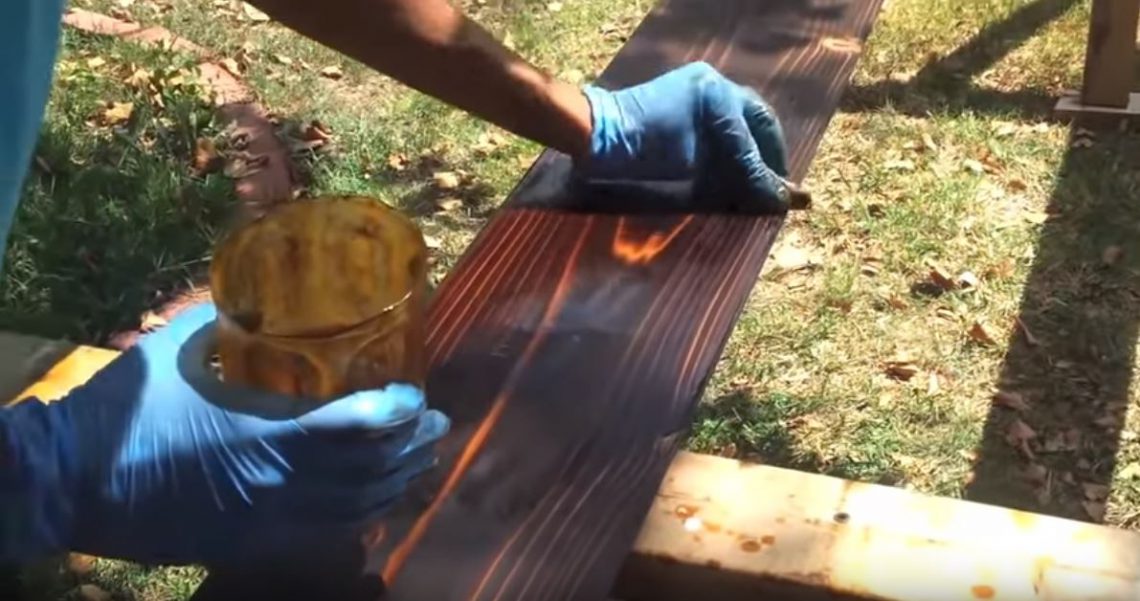
    Making a DIY Shou Sugi Ban Cedar Fence

    Feeling industrious this weekend? Here is a great DIY video tutorial on making your own Shou Sugi Ban cedar fence. Here we go!

    read more

    You May Also Like

    A Modern Retreat at the Far Edge of Ireland

    June 19, 2020

    Trio of Tectonic Structures in Wyoming Echo Shou Sugi Ban

    April 8, 2024

    Off-grid Tiny House in Shou Sugi Ban Style

    May 2, 2017
  • Architecture,  Design,  DIY,  News,  Techniques,  Video

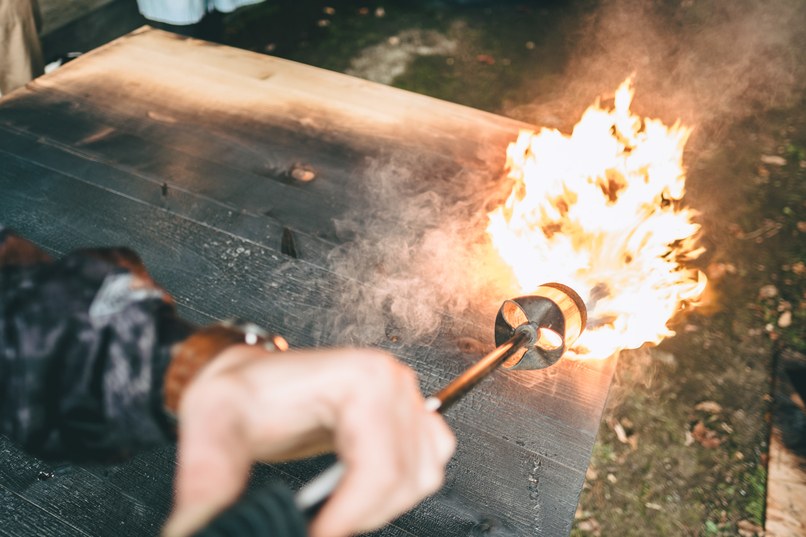
    Shou Sugi Ban DIY for a Tiny House Project

    Here is a great tutorial of the DIY process on how to prepare exterior shou sugi ban siding for a tiny house project. It really shows how cedar siding with a little bit of fire can really create a distinct and unique look. Check out more of the process of shou-sugi-ban as well as the entirety of the tiny house build at this fun blog.
    read more

    You May Also Like

    Slow Luxury has a New Destination

    October 21, 2021

    Intersecting Shou Sugi Ban Gables create Abstract Quebec Home

    July 5, 2019

    Rural and Urban Aesthetics Collide in East London Home

    June 15, 2019
 Older Posts
Newer Posts 

The Traditional Japanese Art of Charred Cedar

Shou Sugi Ban 焼杉板 (or Yakisugi) is an ancient Japanese exterior siding technique that preserves wood by charring it with fire. Traditionally, sugi 杉 (Cryptomeria japonica L.f.), also called Japanese red-cedar, was used. The process involves charring the wood, cooling it, cleaning it, and finishing it with a natural oil.

Today Shou Sugi Ban is an environmentally friendly way to preserve timber through charring which, paradoxically, makes it fire-resistant. Chemical preservatives, paints and retardants are therefore unnecessary. In addition to exterior uses, the popular technique is now found in interior rooms, furniture, and artwork.
Learn more…

Recent Posts

  • Dragon Mansion Clad in Striking Shou Sugi Ban Exterior
    June 9, 2025
  • Serpentine Pavilion in Freeform Shou Sugi Ban style
    May 16, 2025
  • In England, Couple Builds a Serene Shou Sugi Ban Retreat
    April 12, 2025
  • Farmhouse Fixer find Shou Sugi Ban Barn Doors a Delight
    March 8, 2025
  • Waterfront Mid-Century Home in Seattle gets Shou Sugi Ban Treatment
    February 12, 2025

Shop

Brought to you by

Further Reading

  • Suminagashi books
  • Shou Sugi Ban books
  • Sake books
  • Wabi-sabi books
  • Sumi-e books
  • Shodo books
  • Bonsai books
  • Origami books
  • Ukiyo-e books
  • Ikebana books
  • Feng Shui books
  • Japanese Cookbooks
  • Travel to Japan
  • Learn Japanese
  • Learn More

    • Nihon : The Culture of Japan
    • Suminagashi :  Japanese Marbling
    • Shou-sugi-ban : Charred Panels
    • Sake : Rice Wine
    • Wabi-sabi : The Art of Imperfection
    • Sumi-e : Ink Brush Painting
    • Shodo : Calligraphy
    • Bonsai : Gardening
    • Origami : Paper Folding
    • Ukiyo-e : Woodblock Printing
    • Ikebana : Flower Arranging Artistry

    © 2011 - 2026 Shou Sugi Ban LLC. All rights reserved.
    Ashe Theme by WP Royal.