Shou Sugi Ban

The Traditional Japanese Art of Charred Cedar

  • Home ホームページ
  • Overview 概要
    • History
    • People
    • Architecture
    • Design
  • News ニュース
  • Techniques 技術
    • Shou Sugi Ban 101
    • DIY Projects
  • Video ビデオ
  • Shop 日本 店
  • Home ホームページ
  • Overview 概要
    • History
    • People
    • Architecture
    • Design
  • News ニュース
  • Techniques 技術
    • Shou Sugi Ban 101
    • DIY Projects
  • Video ビデオ
  • Shop 日本 店

Overview

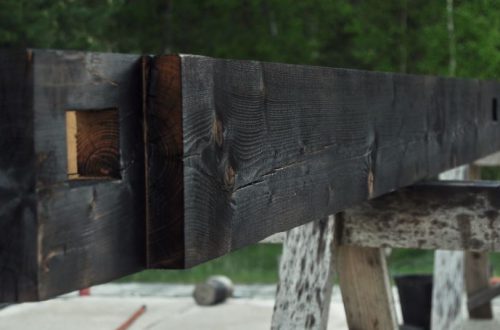
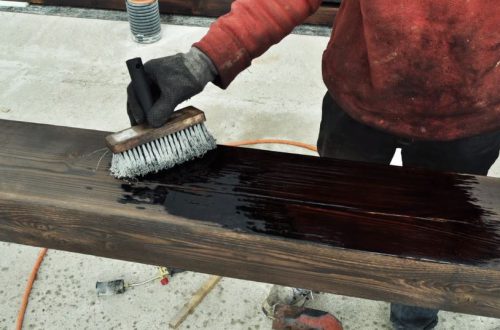
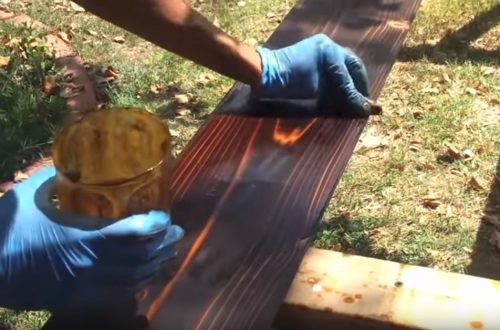
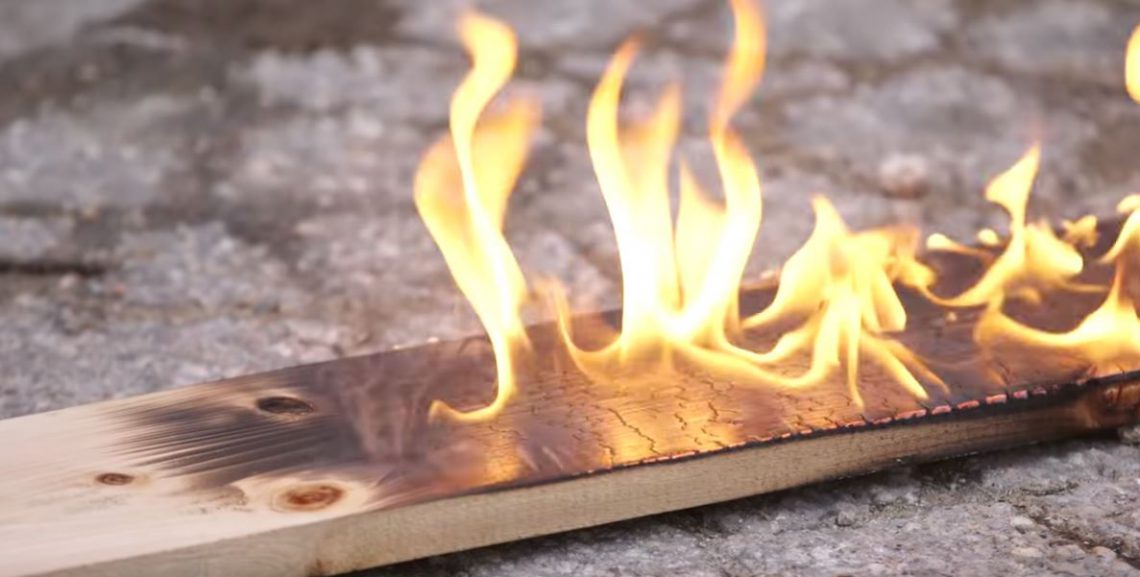
Shou Sugi Ban 焼杉板 (or Yakisugi) is an ancient Japanese exterior siding technique that preserves wood by charring it with fire. Traditionally, sugi 杉 (Cryptomeria japonica L.f.), also called Japanese red-cedar, was used. The process involves charring the wood, cooling it, cleaning it, and finishing it with a natural oil.

Today Shou Sugi Ban is an environmentally friendly way to preserve timber and, paradoxically, make it fire-resistant. Chemical preservatives, paints and retardants are therefore unnecessary. In addition to exterior uses, the popular technique is now found in interior rooms, furniture, and artwork.

Learn more…

Architecture, Design, News, Showcase

Spiral Land Art in Shou Sugi Ban Style

Artist and architect Mathieu Nouhen transformed an agricultural plot in France into an archaic-inspired land art with mystical undertones. The temporary artwork, dubbed Fossile, reveals a spiral arrangement of stakes, reminiscent…

read more
June 12, 2024
Architecture, Design, News, Showcase

Shou Sugi Ban: A Popular New/Old Technique For Treating Wood

Shou Sugi Ban (which translates as “the burning of Japanese cypress”) is a traditional Japanese technique of charring wood to make it repel water, prevent sun damage and make it rot…

read more
August 11, 2020
Architecture, News, Showcase

Five LA Pavilions Balance Privacy with Nature

In Los Angeles, California, the Garden House designed by ANX/Aaron Neubert Architects is a perfect example of how a home can be both private yet fully immersed into nature. At the center…

read more
September 23, 2021
  • Architecture,  Design,  DIY,  News,  Techniques,  Video

    Touring a Shou Sugi Ban Factory

    This technique to give wood siding fire resistance has some beautiful qualities including an alligator skin finish. See a tour in the Delta Millworks factory in Austin, TX where it’s made.

    read more

    You May Also Like

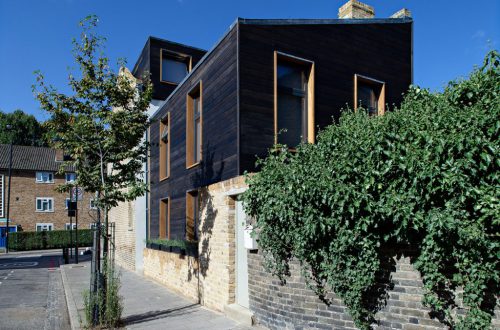
    Rural and Urban Aesthetics Collide in East London Home

    June 15, 2019

    Shou-Sugi-Ban Wood Siding

    November 1, 2014

    Whimsical Dwelling Floored by Shou Sugi Ban

    May 15, 2019
  • Architecture,  Design,  DIY,  News,  Techniques,  Video

    How Homeowners Decide to Use Shou Sugi Ban Siding

    Shou sugi ban, the increasingly popular Japanese technique for treating siding, was used on the Flexhouse in Portland, Oregon. This video features the home’s owner Ajna Lichau and Ray Anthony Barrett talking about their decision to use and their process for implementing this technique. The house was designed by Michele Jeresek (Architect, Departure Design) and built by JRA Greenbuilding.

    read more

    You May Also Like

    Farm Life: Shou Sugi Ban in the Rocky Mountains

    March 28, 2023

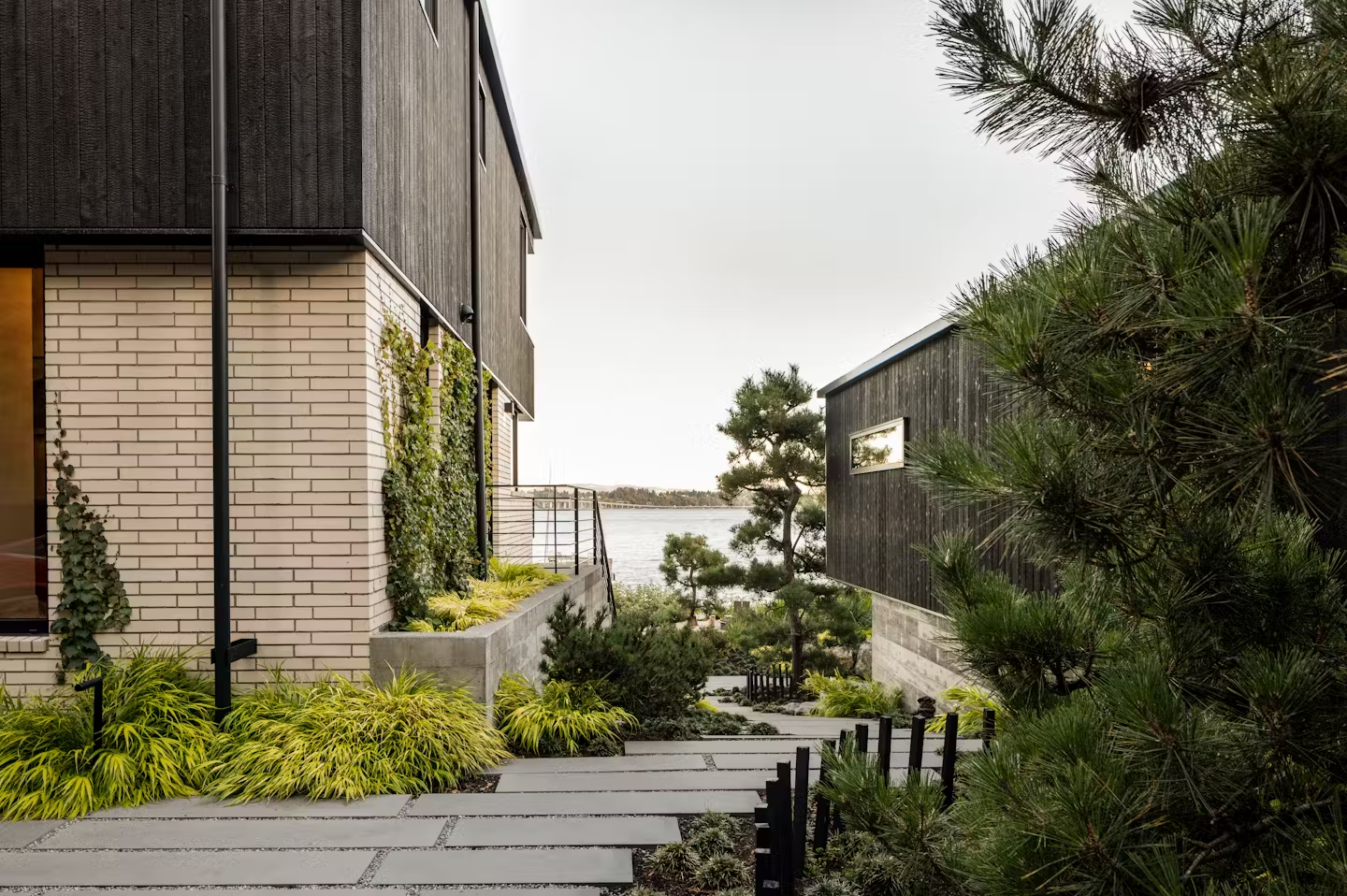
    Waterfront Mid-Century Home in Seattle gets Shou Sugi Ban Treatment

    February 12, 2025

    Maximizing a Bright Black Box in Echo Park

    August 26, 2021
  • Design,  DIY,  News

    Baptism by Fire: Turning “Old” into Dramatic

    As she herself says, “This girl is on fire!” Tana MacDonald is a creative gal, running a multi-faceted business of interior design, space planning, specialty/faux painting and more in Toronto’s western suburbs. So it was that, casting about for something new to tackle, she found herself one day with an old cabinet and a new blowtorch — and was drawn like a moth to a flame. “I’m no pyro, but it’s mesmerizing,” MacDonald says of the charring technique she calls “risky Zen.” It’s a little scary, she says, but a very slow, steady pace ensures safety and satisfaction. The Japanese have been charring wood — called shou sugi ban (burning…

    read more

    You May Also Like

    Gaijin adds Shou Sugi Ban for Authentic Vibes

    February 20, 2020

    Rural and Urban Aesthetics Collide in East London Home

    June 15, 2019

    Extraordinary Japanese-Inspired Duplex Inspired by Shou Sugi Ban

    August 13, 2024
  • Architecture,  Design,  News

    Wowed by Shou Sugi Ban in the W Boston’s Redesign

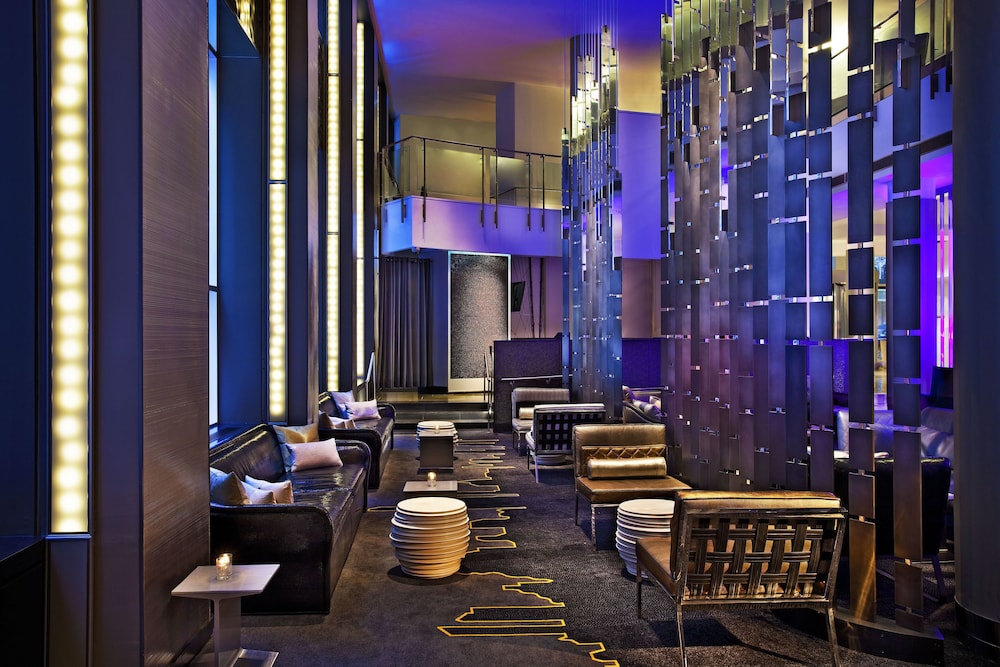
    If there is any beauty in destruction then it is found in shou sugi ban. This traditional Japanese method of weathering and preserving wood by charring became trendy in America over the past couple of years, and falls in line with a desire for aged decorative elements. But shou sugi ban’s rumpled black tarry finish has an element of chaos — something violent happened to this wood — and a mysterious Gothic quality. A good example of shou sugi ban is seen in the newly finished charred wood walling in the lobby lounge of the W Boston. Paired with granite columns, it is raw and earthy, yet suavely playful. The…

    read more

    You May Also Like

    Why Shou Sugi Ban is More than a Design Trend

    July 20, 2019

    Minimalist Muji Hut with Shou Sugi Ban

    April 28, 2017

    Fujimori’s Shou Sugi Ban Technique

    May 2, 2017
  • Architecture,  Design,  DIY,  News,  Tiny Home

    Shou Sugi Ban Tiny House is Giant by Nature

    Alpine Tiny Homes, the firm behind the Brown Bear tiny house, recently completed a large new model that looks finished to just as high a standard. Aptly named the Tiny Giant, the tow-able dwelling stands out from the crowd thanks to its size and unusual shou sugi ban charred wood siding. It can operate off-the-grid and boasts a relatively large bedroom. The Tiny Giant is based on a triple-axle trailer and measures a total length of 39 ft (11 m). It has a total floor space of 390 sq ft (36 sq m), which is not very far off the largest tiny house we’ve ever seen, the Red Mountain. It’s partly clad in Japanese-style…
    read more

    You May Also Like

    Traditional Shou Sugi Ban Overview from Japanese TV

    May 2, 2017

    Luminous Shou Sugi Ban Facade opens upon the Forest

    July 29, 2021

    Shou Sugi Ban binds Art and Architecture in Spectral Bridge House

    September 10, 2020
 Older Posts
Newer Posts 

The Traditional Japanese Art of Charred Cedar

Shou Sugi Ban 焼杉板 (or Yakisugi) is an ancient Japanese exterior siding technique that preserves wood by charring it with fire. Traditionally, sugi 杉 (Cryptomeria japonica L.f.), also called Japanese red-cedar, was used. The process involves charring the wood, cooling it, cleaning it, and finishing it with a natural oil.

Today Shou Sugi Ban is an environmentally friendly way to preserve timber through charring which, paradoxically, makes it fire-resistant. Chemical preservatives, paints and retardants are therefore unnecessary. In addition to exterior uses, the popular technique is now found in interior rooms, furniture, and artwork.
Learn more…

Recent Posts

  • Dragon Mansion Clad in Striking Shou Sugi Ban Exterior
    June 9, 2025
  • Serpentine Pavilion in Freeform Shou Sugi Ban style
    May 16, 2025
  • In England, Couple Builds a Serene Shou Sugi Ban Retreat
    April 12, 2025
  • Farmhouse Fixer find Shou Sugi Ban Barn Doors a Delight
    March 8, 2025
  • Waterfront Mid-Century Home in Seattle gets Shou Sugi Ban Treatment
    February 12, 2025

Shop

Brought to you by

Further Reading

  • Suminagashi books
  • Shou Sugi Ban books
  • Sake books
  • Wabi-sabi books
  • Sumi-e books
  • Shodo books
  • Bonsai books
  • Origami books
  • Ukiyo-e books
  • Ikebana books
  • Feng Shui books
  • Japanese Cookbooks
  • Travel to Japan
  • Learn Japanese
  • Learn More

    • Nihon : The Culture of Japan
    • Suminagashi :  Japanese Marbling
    • Shou-sugi-ban : Charred Panels
    • Sake : Rice Wine
    • Wabi-sabi : The Art of Imperfection
    • Sumi-e : Ink Brush Painting
    • Shodo : Calligraphy
    • Bonsai : Gardening
    • Origami : Paper Folding
    • Ukiyo-e : Woodblock Printing
    • Ikebana : Flower Arranging Artistry

    © 2011 - 2026 Shou Sugi Ban LLC. All rights reserved.
    Ashe Theme by WP Royal.